Relocating Family
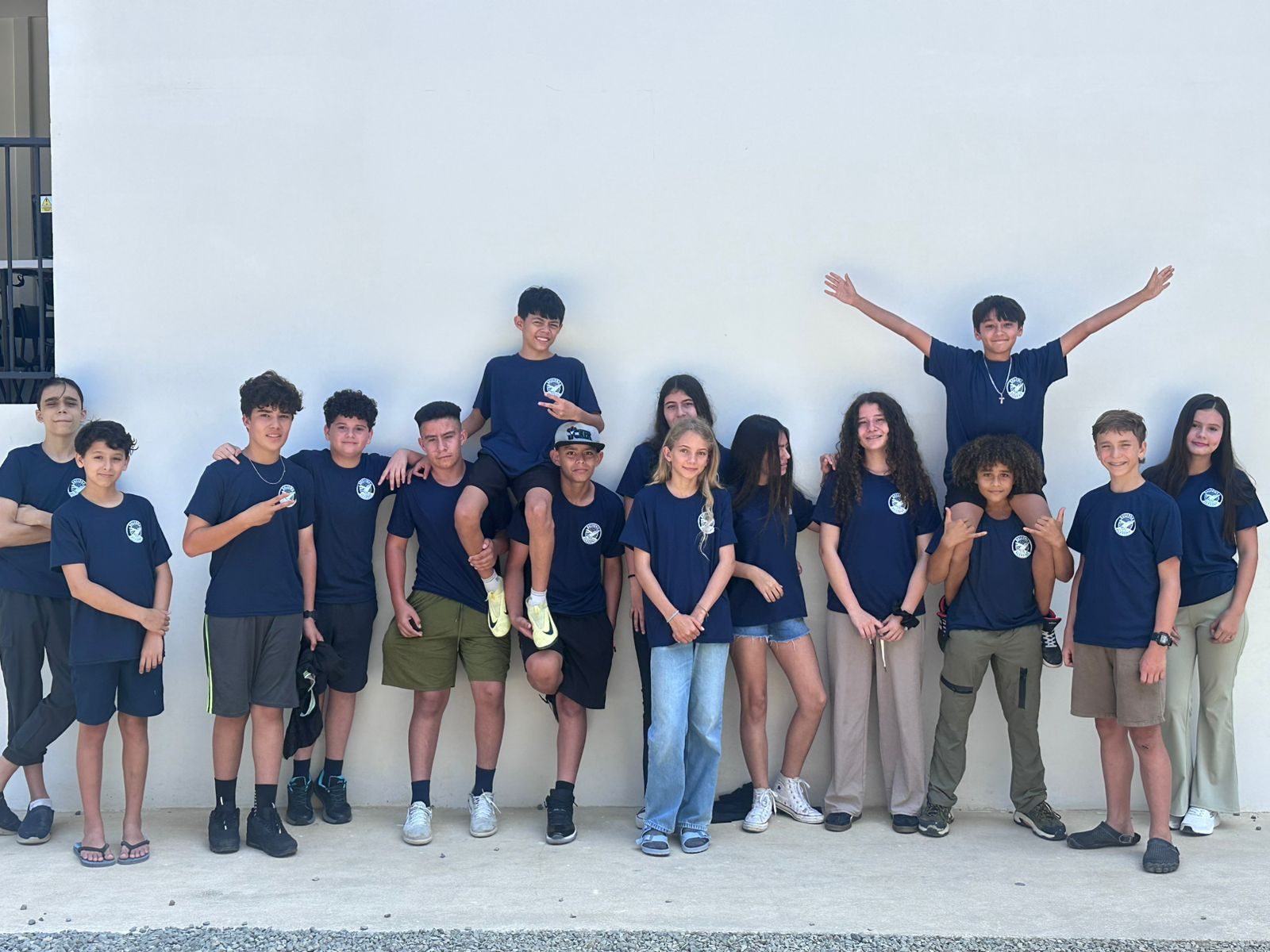
Every international school has a beautiful website, a sunny photo of kids laughing, and a paragraph about global citizens. That tells you almost nothing. This guide is written to help you choose well even if you never choose us — so you can walk into any tour and ask the questions that actually matter.
Relocating is the brave part. You have already decided to build a different kind of life for your family. The school is where that decision either holds together or quietly falls apart, because if the kids are not okay, none of it is okay. So it is worth slowing down and looking past the marketing.
Good schools and good brochures are not the same thing. The things that make a school worth your child’s years — adults who stay, small enough rooms to be known, a clear idea of what learning is for — are hard to photograph and easy to fake on a page. Here is how to tell them apart.
Six markers of a real school
Ask about these directly, in person, and watch how readily the answers come. A school that knows itself answers fast and plainly.
Accreditation. Ask which body accredits them and whether the local ministry recognizes the diploma. Real accreditation means an outside team has checked the school against a standard, and that the work transfers when you move again.
Teacher retention. The single most telling question: how many teachers came back this year? Schools with revolving doors burn through staff and relationships. Ask for the number. A confident school will tell you.
Class size. Numbers tell the truth that adjectives hide. “Small classes” can mean thirty. Ask for the real cap per grade, and whether there is a support team for kids who need a little more.
The language model. If it is a bilingual school, ask exactly which subjects are taught in which language, by whom. A real model is built into the schedule. A weak one is one Spanish class a day with a worksheet.
Continuity, PK–12. If the school stops at sixth grade, you are school-hunting again in a few years. Ask what the path looks like all the way through, and whether older students actually stay or scatter.
The community. Who else is here? A school that is all newcomers feels like an expat bubble; one that is all local can be hard to enter. Ask about the mix, and whether your family will actually belong.
Trust the day, not the slogan
The fastest way to read a school is to ignore the mission statement and watch a normal Tuesday. Are children spoken to by name? Do teachers look settled or stretched thin? Is the place built for kids, or for the people who tour it?
A polished brochure sells you a feeling. A real school shows you a rhythm — what the morning sounds like, how a meltdown gets handled, what happens when a kid is bored or behind. Ask to see a regular school day, not a showcase. The honest schools will welcome it.
How Ballena measures up
We wrote the markers above to be used on anyone. Here is how we answer them ourselves, plainly, because you should expect plain answers from any school you trust your kids to.
Accreditation. Ballena Academy is an official Middle States Association (MSA) candidate and is actively pursuing MEP recognition in Costa Rica, so the work counts both ways.
Class size. Classes of 15 or fewer, with a dedicated Student Support Services team for accommodations, language support, counseling, and SEL. No child gets lost in the back row.
Two real languages. English Language Arts and Math in English; Spanish Language Arts and Social Studies in Spanish; Science a mix. A genuinely bilingual day, not an after-school add-on.
One continuous school. PK through 12 on one campus, with roughly 50/50 local Costa Rican and international families. Your child can put down roots and stay.
A few more, while we are being plain: every year, at least 30% of our seats are held for full scholarship for local Costa Rican families, so the community stays mixed and real. The day is built around being known — gates at 7:30, a campus-wide morning meeting at 8:00, dismissal at 3:00 — and tuition is all-inclusive, with no hidden fees. You do not have to choose between the life you want for your family and the education your kids deserve.