
English
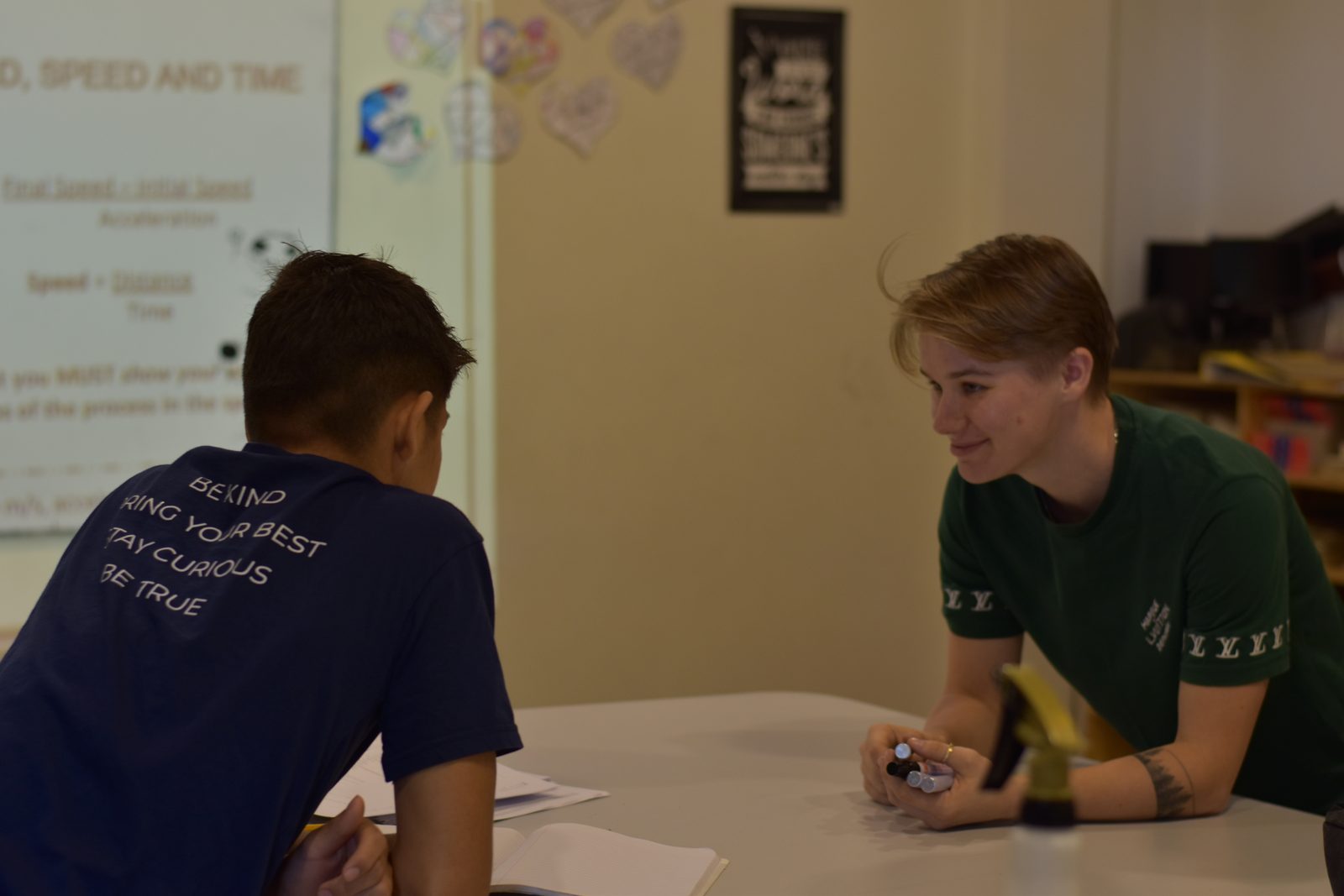
English Language Arts, Math, and Science are taught in English. Students build literacy and academic vocabulary while using English to reason through problems, investigate scientific questions, weigh evidence, and explain their thinking.
The Experience · English + Spanish
English + Spanish
Children develop another language by using it for something real: reading stories, solving problems, sharing ideas, making friends, and learning alongside one another.
Spanish isn’t simply a subject at Ballena. It’s a language of instruction. Students learn in both English and Spanish throughout the school day: English Language Arts, Math, and Science are taught in English, while Spanish Language Arts and Social Studies are taught in Spanish. Each subject has its own language, so students aren’t only practicing a second language, they’re using it to read, write, think, discuss ideas, and learn.
The Subject-Language Split
Here is exactly how the day divides between English and Spanish, the same model from Primary through Secondary.
English Language Arts, Math, and Science are taught in English. Students build literacy and academic vocabulary while using English to reason through problems, investigate scientific questions, weigh evidence, and explain their thinking.
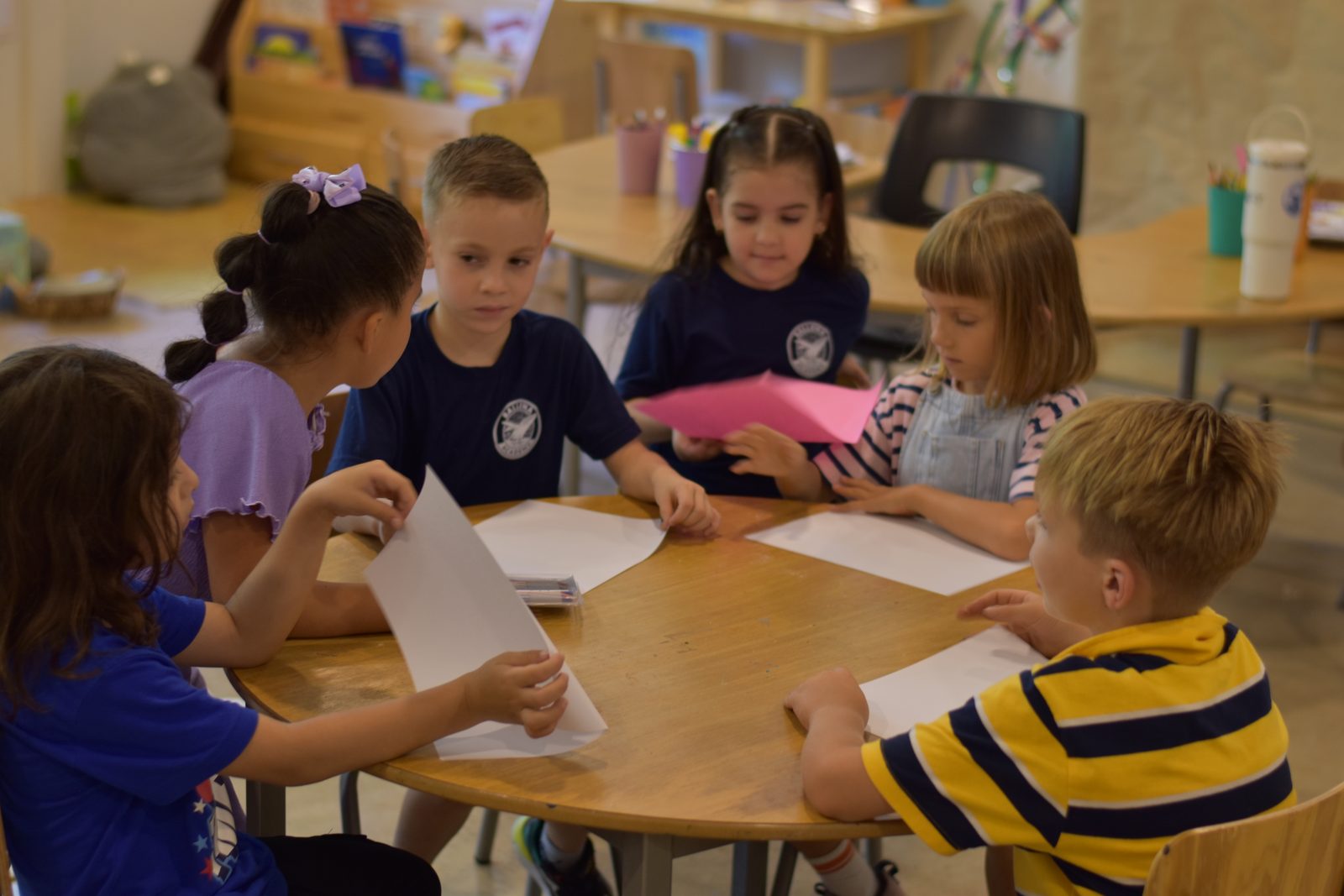
Spanish Language Arts and Social Studies are taught in Spanish. Students use Spanish for genuine academic work: reading and writing, discussing ideas, studying history and society, and understanding the country and community around them.
| Subject | Language |
|---|---|
| English Language Arts | English |
| Math | English |
| Science | English |
| Spanish Language Arts | Spanish |
| Social Studies | Spanish |
Why It Works
Roughly half our families are Costa Rican and half have come from around the world. That mix gives students authentic reasons to use both English and Spanish, not only in class, but in friendships, activities, and everyday school life.
Friendships here cross languages. Students ask a question, tell a joke, or sort out the rules of a game in whichever language the moment calls for, because the friend across the table actually speaks it.
Classmates come from Costa Rica and from countries all over the world, bringing different histories, holidays, and ways of seeing a problem. Growing up among them shapes how students think, not only how they speak.
Students grow increasingly comfortable expressing themselves: asking questions, trying a word they only half know, and making themselves understood while their language is still developing.
Bring your family. Walk the campus. Meet the teachers.